What is Agile Methodology? Understanding Its Principles and Frameworks

Agile methodology has become a fundamental approach for businesses that operate in fast-paced, ever-changing environments. Especially for small businesses, where flexibility and the ability to quickly adapt are crucial, Agile offers a structured yet adaptable way to respond to change. This blog post will delve into what Agile is, its core principles, and frameworks, and show how it can provide value to small businesses in dynamic industries.
What is Agile?
Agile originated in the software development world as a solution to the rigid and often slow traditional project management methods. Introduced through the Agile Manifesto in 2001, it focuses on delivering value through flexible, iterative development processes.
At its core, Agile aims to enhance flexibility, collaboration, and continuous improvement. It empowers teams to adapt to customer needs as they evolve rather than adhering to fixed, unchangeable project plans.
Adopting Agile allows you to remain nimble and respond rapidly to market shifts. If you’re a small digital marketing agency, for example, Agile can help you shift campaign focus based on new trends, ensuring you keep up with the competition and customer preferences.
The Core Principles of Agile
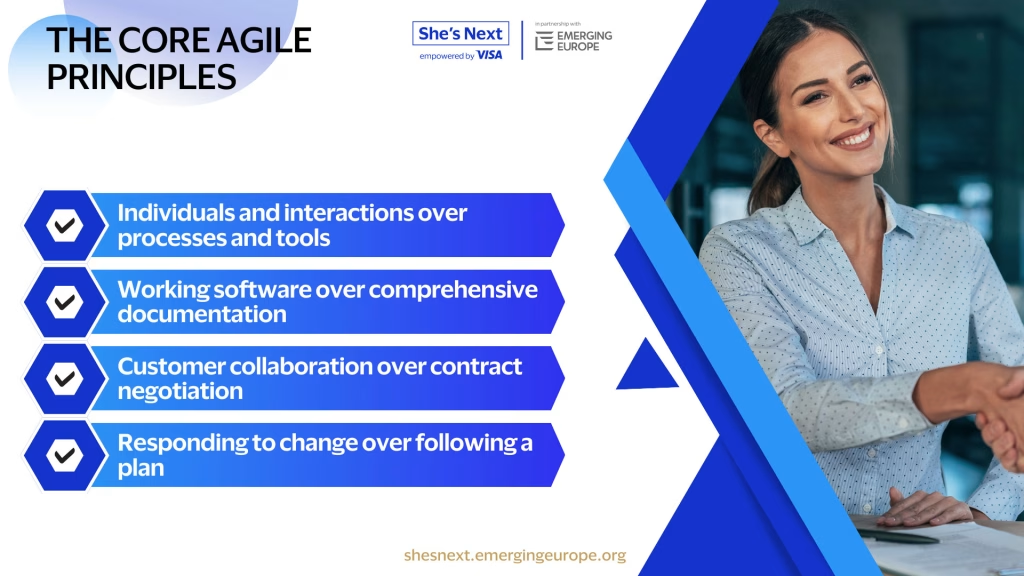
Individuals and interactions over processes and tools
Working software over comprehensive documentation
Customer collaboration over contract negotiation
Responding to change over following a plan
These values shape the foundation of Agile methodology. Alongside them, there are 12 guiding principles that reinforce these values:
Customer satisfaction through early and continuous delivery of valuable solutions
Welcome changing requirements, even late in development
Deliver working solutions frequently
Collaboration between business stakeholders and developers
Build projects around motivated individuals
Face-to-face conversation is the best form of communication
Working software is the primary measure of progress
Sustainable development
Continuous attention to technical excellence and good design
Simplicity—the art of maximising the amount of work not done—is essential
Self-organising teams
Regular reflection and adaptation

Popular Agile Frameworks
Scrum
Scrum is one of the most widely used Agile frameworks. It’s structured around short, time-boxed sprints where teams work towards specific goals. Key roles in Scrum include the Product Owner, Scrum Master, and development team. Regular sprint meetings help keep progress on track and adjust plans as needed.
In a graphic design company, for example, Scrum can be used to organise client projects, with each sprint delivering a specific design element—logo, website layout, etc.
Kanban
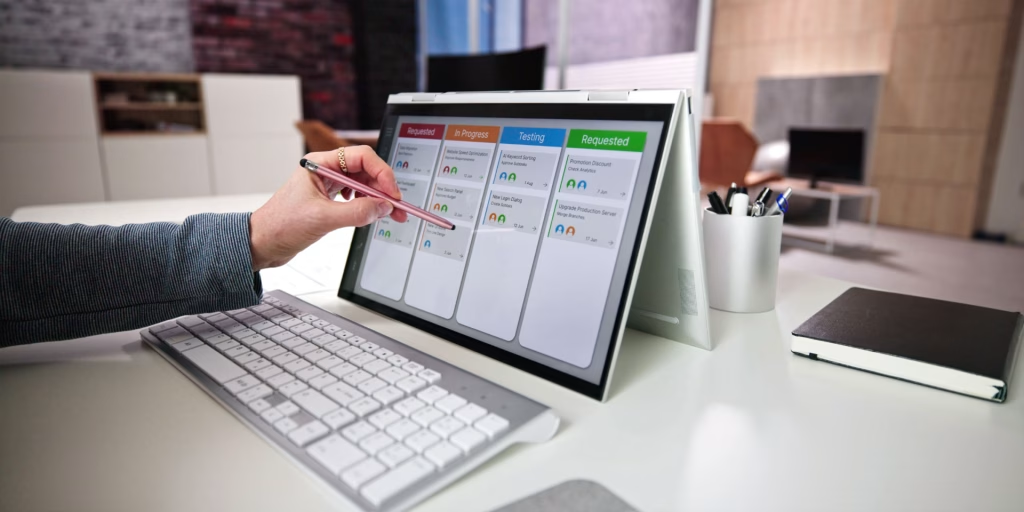
Kanban focuses on visualising work items in a flow, emphasising a continuous delivery approach. A Kanban board is commonly used to track tasks from ‘To Do’ to ‘Completed’.
A boutique bakery, for instance, could use Kanban to manage orders, tracking the process from receiving an order to completing the cake design, allowing for smooth workflow visualisation.
Lean
Lean methodology is all about eliminating waste and optimising productivity. It’s particularly focused on efficiency—doing more with less.
A small manufacturing company can apply Lean principles to reduce inventory waste or streamline production, making the most of limited resources.
When to Use Agile
Agile is especially effective in situations where flexibility is essential. If you’re operating in a fast-moving industry or working on customer-centred projects, Agile will provide the flexibility to pivot based on customer needs.
Agile can be invaluable in industries where customer feedback dictates success. A software company developing a niche product might benefit from Agile because it allows them to release updates frequently, gather user feedback, and adjust quickly.
Agile methodology offers businesses—especially small businesses—the tools they need to stay competitive in fast-paced environments. By increasing flexibility, speeding up the time-to-market, and improving customer satisfaction, Agile ensures your business can keep pace with industry changes and customer needs.
New Free Courses — Made for Ambitious Women Entrepreneurs!
It’s time to grow smarter, adapt faster, and take your business global.
Explore two powerful courses available exclusively to She’s Next members:
The Reinvention Masterclass for Start-up Founders
Beyond Borders: Building for Global Success
Enroll today — it’s free!