The double shift

Running a tech company whilst building an NGO taught Iva Kozlovksa what women entrepreneurs actually need
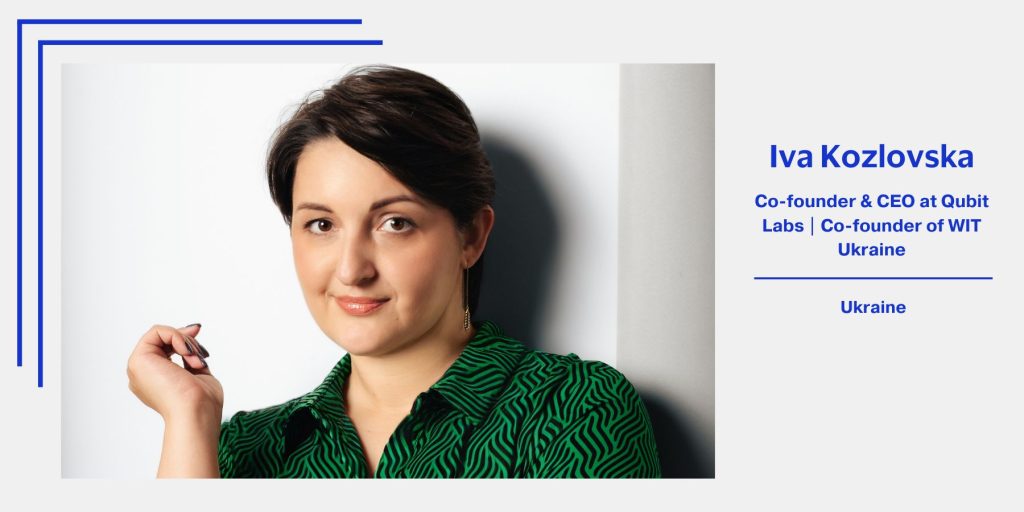
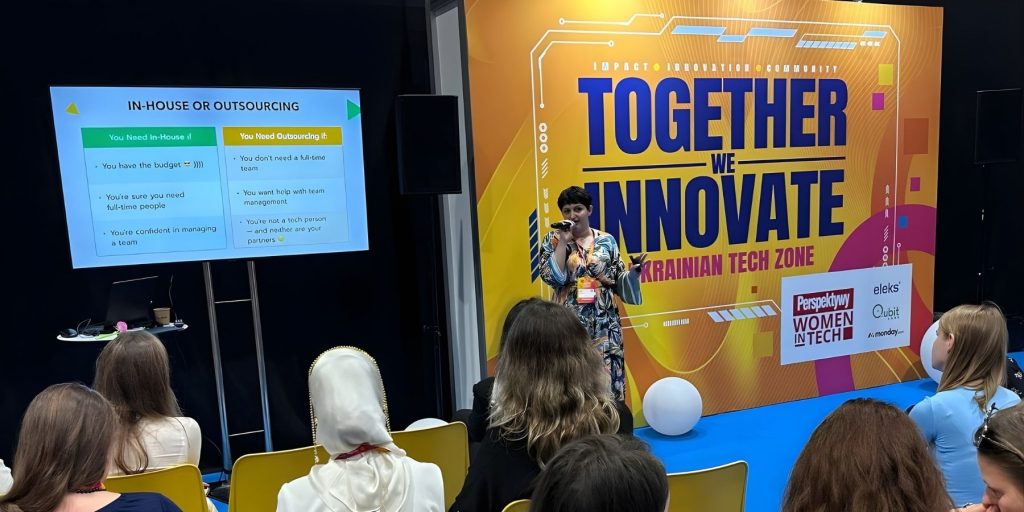
Iva Kozlovksa runs two organisations simultaneously. Qubit Labs, her IT outstaffing company, operates globally across 15 countries after nine years of steady growth. Women in Tech Ukraine, the NGO she co-founded seven years ago, has trained thousands of women for careers they were told weren’t meant for them. Managing both requires a skill many women entrepreneurs resist learning: asking for help.
“My advice to have partners,” she says bluntly. “A lot of women want to. I have a case now with my friend. She had a bad situation with partners in her previous project, and now she’s scared to have partners, and she’s trying to do everything by herself and it’s successful, but it can be faster and bigger if you have partners.” The observation comes from experience. Without her co-founder at Women in Tech Ukraine, the dual workload would have been impossible.
The origins of Women in Tech Ukraine trace to a 2017 visit to Web Summit. Kozlovksa noticed that other countries—Portugal, Sweden—had established communities supporting women in technology. Ukraine had nothing similar. She returned with her partner and a simple conclusion: “We don’t have this. We don’t have any support for women.” At the time, international companies were flooding into Ukraine to hire technical talent. The country couldn’t supply enough workers. Bringing more women into the sector made commercial sense.
Instant success
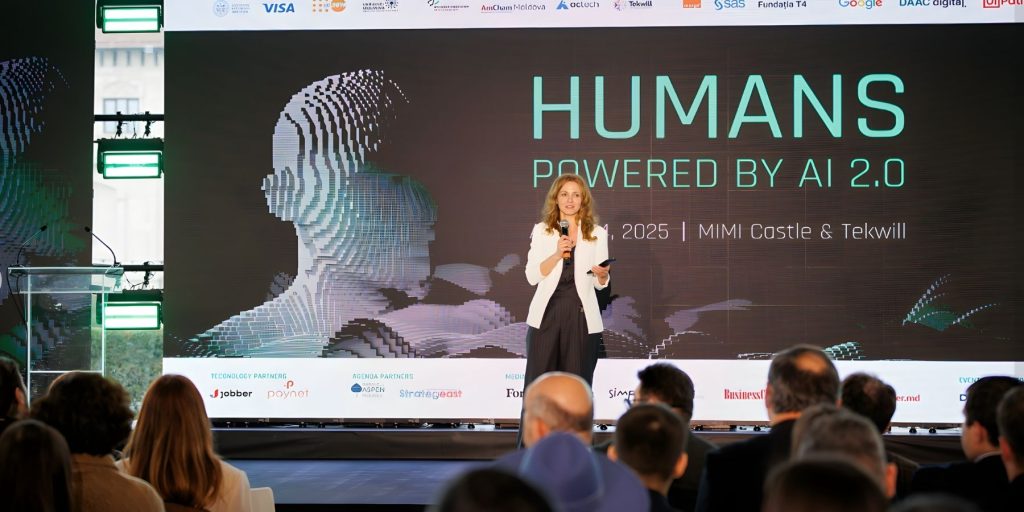
The first event in Kharkiv drew 400 women. “We immediately saw that a lot of women needed something like this, because they want to have new opportunities, a new career.” Before that gathering, Ukraine’s tech sector was heavily male-dominated, with women comprising only eight per cent of the IT population. By 2022, that figure had climbed to 23.4 per cent, with some sources now reporting 35 per cent of Ukrainian tech workers are women.
Events continued in Kharkiv, Dnipro, Lviv, Kyiv. Then Covid-19 arrived. “We had a pause actually, because we didn’t know how to manage the situation.” Kozlovksa was also busy managing Qubit Labs through the crisis. Many customers faced their own difficulties. The pause lasted until 2022, when Russia’s full-scale invasion changed everything.